 Documenting voices of change in the Channel View estate.
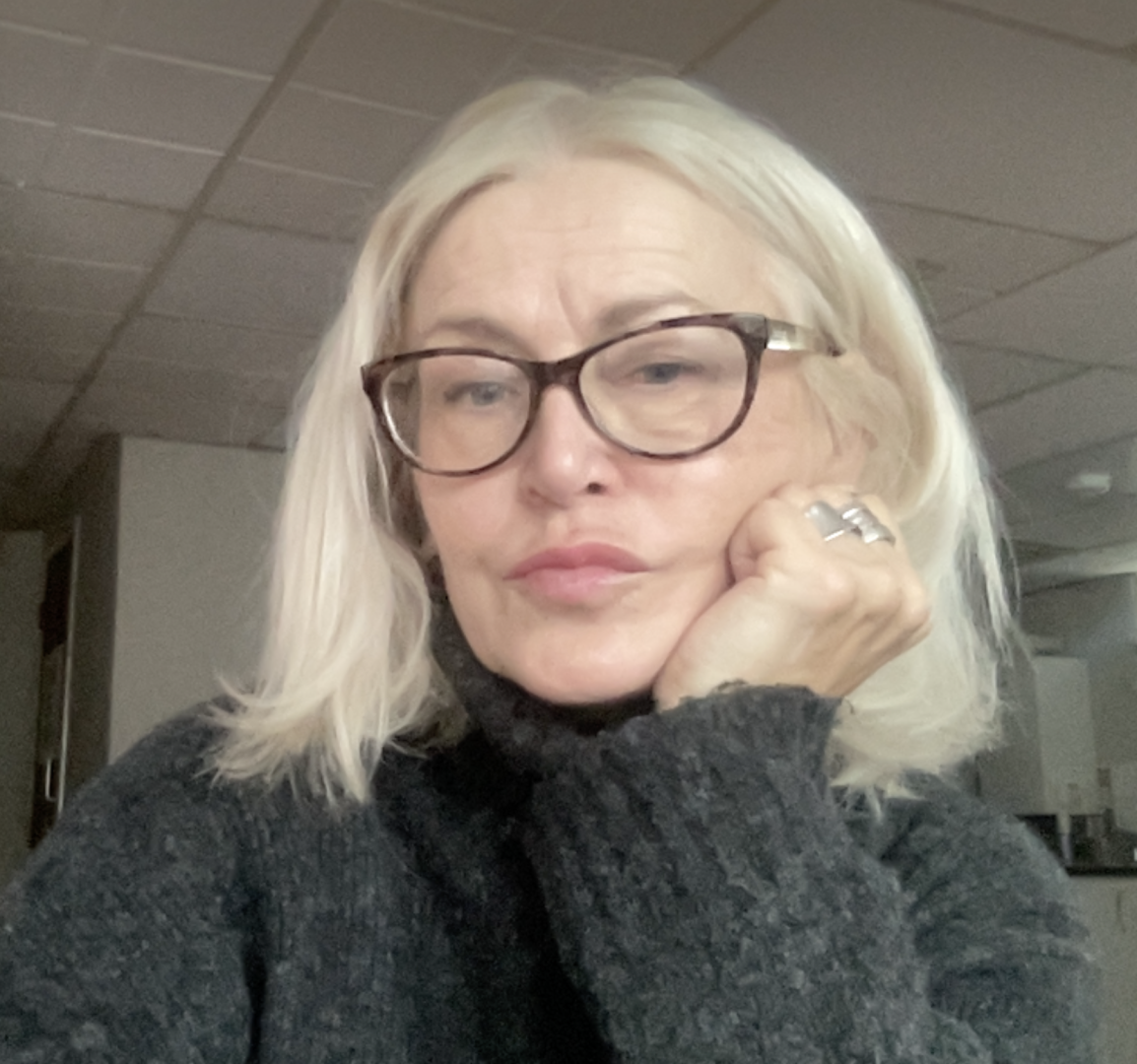
Marsha O’Mahony is a journalist, writer, author, and oral historian dedicated to amplifying underrepresented voices and strengthening communities through storytelling. Her first published work, The Burakumin as Caste: Japan’s Untouchables, marked the beginning of her commitment to telling stories that might otherwise go unheard. She uses storytelling as a tool for place-making, to humanise data, and to preserve cultural memory.
Marsha’s work operates in a space that sits between disciplines. It is not purely research or communications, but draws on ethnography, behavioural science, and narrative to create engagement, generate meaning, and translate lived experience into insight.
She has worked across local, national, and international news organisations and authored four books. Her oral history practice has featured at events such as the Hay Festival. Her work operates at micro, relational, and systemic levels, enabling her to transform lived experience into meaningful, human-centred insight.
Marsha’s projects span a wide range of communities, including the Gwent Levels, the River Wye, social housing in Herefordshire and Gloucestershire, the Irish diaspora, and the social history of hop growing in the West Midlands. As writer-in-residence at a care home for people with neurodegenerative conditions, Marsha developed Cartographic Love Letters, a travelling exhibition. This breadth of experience informs the work she brings to the StoryArcs project.
“At the core of my practice is a commitment to improving lives, strengthening community cohesion, and advancing knowledge through lived experience. My approach centres on building trust — something that requires time, consistency, presence, and patience. This trust-based, resident-led method is particularly suited to housing and regeneration contexts, including consultation, co-design, placemaking, and community wellbeing.”
The Host and Project
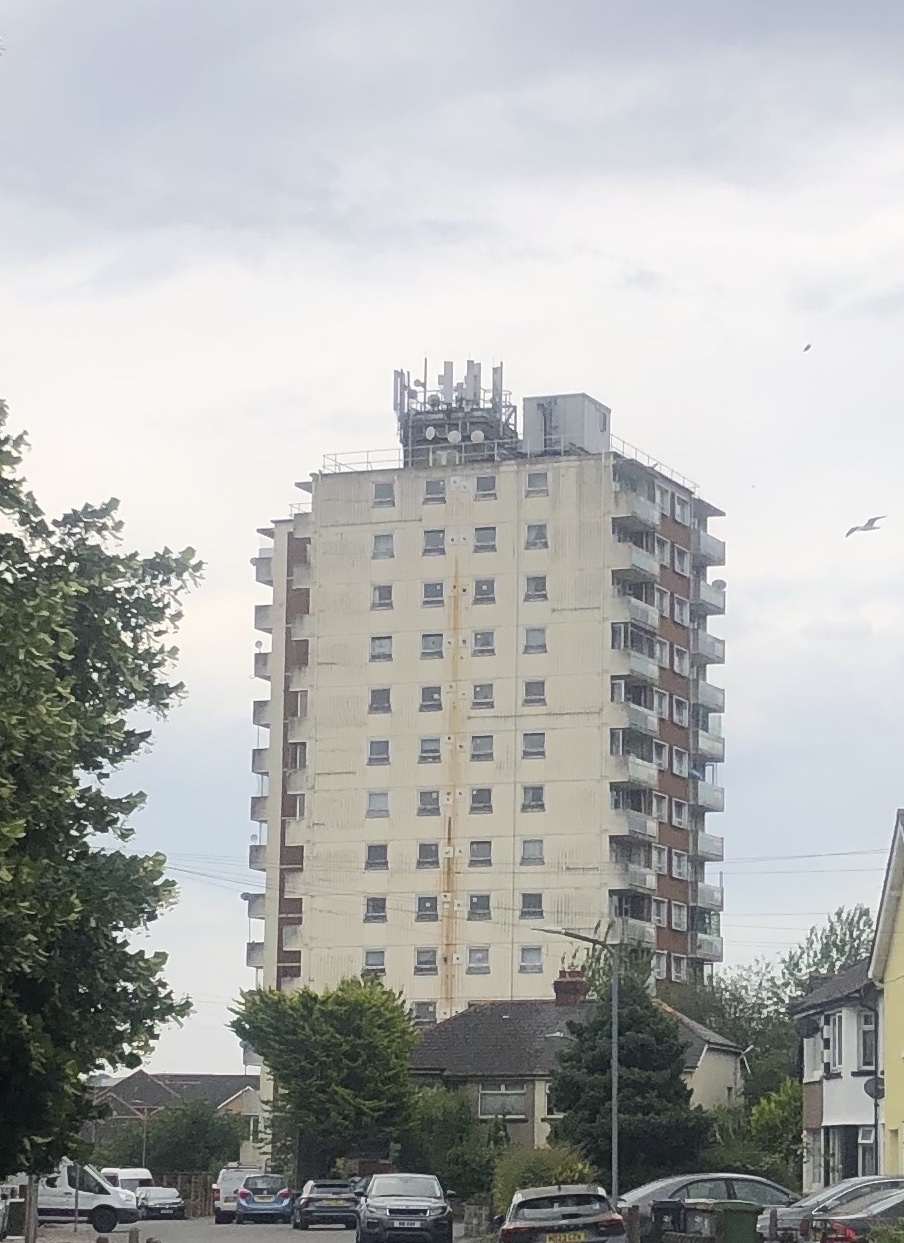
The Channel VIEWS Story project supports residents transitioning from long-standing high-rise apartments scheduled for demolition into newly constructed homes. It places tenants at its core, focusing on maintaining and nurturing community ties during a period of significant change.
Central to the project is understanding how residents can carry forward the values, relationships, and strengths of their existing community into the new development and its public spaces. The aim is to ensure their voices remain integral to this transformation.
Oral history and reminiscence are key methods in this work, allowing stories to be captured in a personal and qualitative way that moves beyond data and statistics. However, engaging residents who have experienced repeated consultation exercises presents a challenge, raising important questions about trust, fatigue, and the meaning of community within this social housing context in Cardiff.
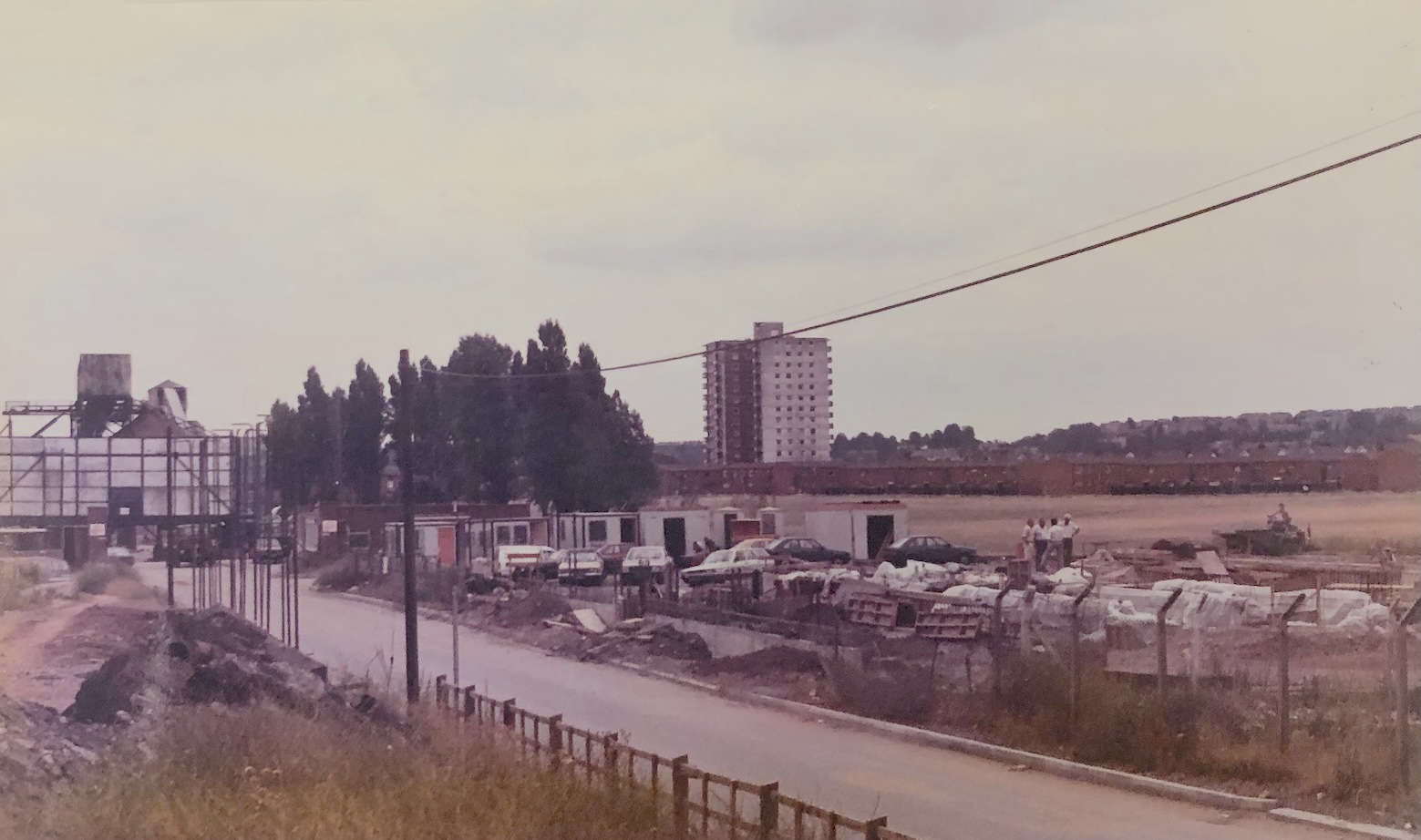
Archival Photo of Channel Views from 1966
The Journey So Far
Since June 2025, I have spent two mornings each week walking from Cardiff train station to Channel View — a 40-minute journey that has helped me understand the area I am documenting.
Erected in 1966, Channel View block sits close to the hubbub of Cardiff Bay, yet feels distinctly separate in character and experience in this deprived area of the city. Although a community room exists in the block, it is rarely used. Instead, I positioned myself in areas where there was regular footfall: in the lobby, near the lifts, sometimes with a table — inviting residents to stop and talk.
I spend time throughout the building: riding the lifts, walking the stairwells, sitting in the garden or caretaker’s room, and attending events such as evening bingo sessions. Through this consistent presence, I have become a familiar figure within the community.
Using a participant-observational approach, I engage residents through informal conversations, shared anecdotes, and attentive listening. Despite challenges — particularly discontent, worry, and consultation fatigue among tenants — this combination of long-form interviews and everyday interactions is gradually building a rich tapestry of living history shaped by memory, place, and daily life.
Historically, social housing design has often overlooked tenant wellbeing, and early research suggests residents’ voices are frequently absent from design processes. While Channel View tenants have participated in consultations, repeated exercises have led to fatigue, with feedback often reduced to numerical data and graphs.
This work seeks to humanise that data by capturing residents’ experiences, perspectives, and concerns in ways that can inform future design and engagement. The aim is to develop a practical tool that helps other housing and community projects integrate lived experience into decision-making.
Story Skills In Action
My approach at Channel View focuses on adding depth and context to quantitative data by exploring the human experiences behind it. I work through quiet persistence and a sustained commitment to building trust.
By combining oral history, environmental reflection, and cultural memory, I create narratives that highlight the significance of place — not just as a physical environment, but as a repository of collective identity.
Through capturing the spirit of Channel View, I aim to elevate residents’ voices and reveal the deep connections between people and the spaces they inhabit. These relationships are not static; they actively shape both community and place.
What does StoryArcs mean to me?
I have worked as a freelancer for nearly 20 years, but in that time there have been very few opportunities for professional development. This was my primary motivation for applying to the StoryArcs programme. As it draws to a close, the benefits of my participation – both professionally and personally – have been exponential. I was drawn to the Channel View host programme for a couple of reasons: firstly, I felt it would be a challenge and I wanted to see how I could hone my skills in this area of deprived social housing; secondly, I was bought up in a three-bedroomed council flat with eight siblings. I wondered what perspective this would give me. Initially started out to look at residents’ reactions to design and architecture as their new homes were being constructed nearby. However, it quickly became clear that, despite numerous consultation exercises, they did not feel their views mattered. And, the consultation reports missed so much of their backstory, nuances, experiences. Metrics matter, but so does the real-life stories of residents. Therefore, my interest in humanising data in this setting evolved and is where I have concentrated my work.
Meet more Story Fellows:
- Read about how Anne Holloway has explored the use of oral histories in her project with Boots UK.
- Meet another Story Fellow working with communities in Cardiff: Anna Suschitzky.