Collecting COVID: Celebrating Resilience Through Story 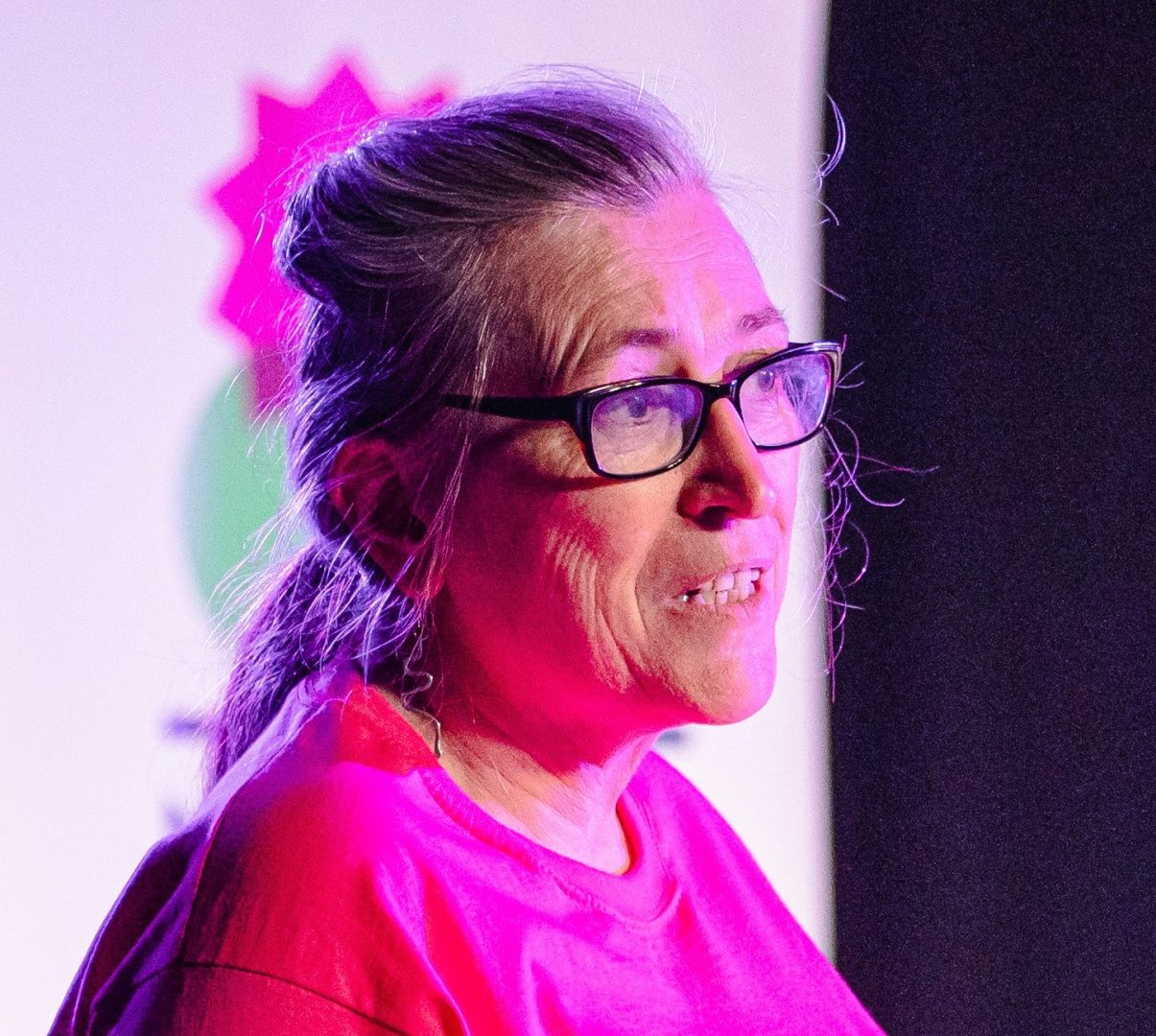
Anne Holloway is a poet, workshop facilitator and publisher with more than a decade of experience helping people tell their stories in community and educational settings. She has witnessed how the act of telling our story builds resilience and connection.
In 2015 she founded the independent press Big White Shed which has published over 100 titles to date. Anne is clinical lead on Surviving by Storytelling at the Institute of Mental Health, Nottingham, exploring the relationship between poetry and wellbeing. She was Creative Director of Nottingham Poetry Festival in 2021-22 and continues to curate and host poetry-centred events. She believes we are all poets.
“At the start of the COVID outbreak in 2020 with events and workshops cancelled, my connection to my creative community disappeared overnight. So, I grabbed an old pot of blackboard paint, painted the side of my garden shed and started writing poems up there for people to see as they walked past, then posted an image of each poem on Instagram.And so, #A Poet Lives Here was born.
At the same time, I was resident poet at an alternative provision for vulnerable students. Throughout the pandemic, we created a book documenting their experiences. Sharing stories gave them a way to process events as they unfolded, while the finished book became a lasting record they could return to and reflect upon.”
View Anne Holloway’s short film, A Poet Lives Here (2020)
The Host and Project
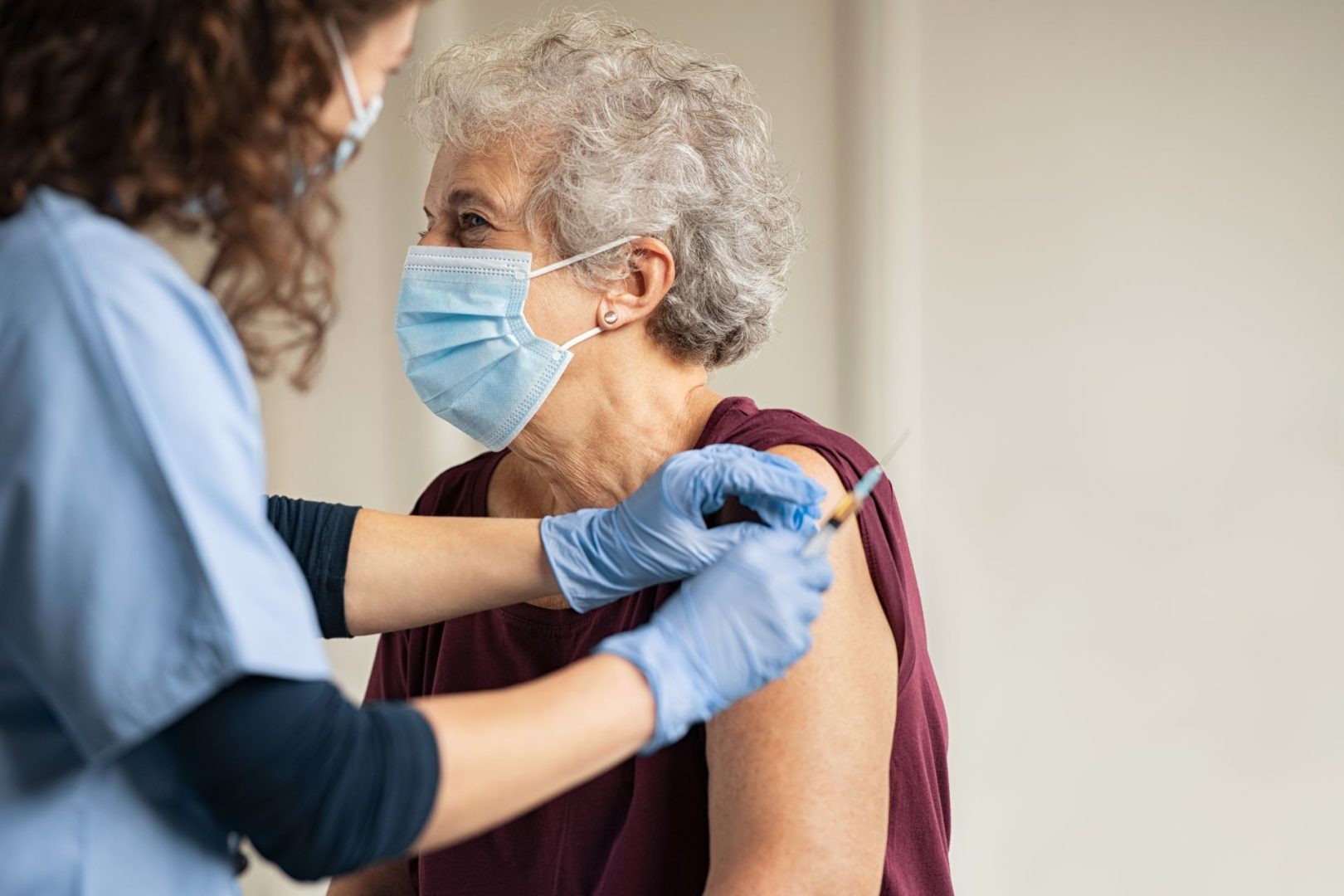
‘Collecting Covid’ explores how Boots UK responded to the pandemic – from its role as a community pharmacy, how it supported the NHS, rolled out testing and vaccination centres, the impact this had on their workforce and the operational changes that followed. Through colleague interviews the project is building a comprehensive record of how Boots UK navigated this extraordinary period and the lessons which will help strengthen future resilience.
These stories will become an important addition to the Boots archive, helping future researchers understand both the pandemic and Boots’ role as a community pharmacy. The archive team is passionate about helping staff recognise that their individual stories are history and a core aim is to encourage ongoing storytelling across the organisation.
As someone who has called Nottingham home for 30 years, this project feels deeply personal. Everyone in the city knows someone who works or has worked at Boots. My role is to balance the company’s wish to highlight its pandemic response, the archive team’s commitment to preserving history, and my own aim as a poet, to bring forward the voices of the people who carried the organisation through an unprecedented time and create opportunities for reflection through storytelling.
The Journey So Far
Interviewees have responded generously and candidly, sharing detailed reflections on their experiences, providing a rich understanding of Boots’ response to the pandemic, and the impact on individuals.
Within a large organisation, engagement depended on the trust and connections already established by the company archivist, inviting senior leaders to participate, before nominating colleagues from their team. This proved highly effective.
With a target of 40 recorded interviews met, a thematic analysis supports the archive team to share colleagues’ experiences through exhibitions, commemorative events and internal and public communications. Interviewees are also being invited to reflect on the impact of participating in the project itself. The findings highlight areas for exploration by HR as it continues to support staff wellbeing.
Alongside the archive work, is a creative response, in the form of a poetry collection, inspired by the stories shared. Participants will see how their stories have resonated with a poet and gain insight into their colleagues’ experiences.
Just as the students at the alternative provision school were delighted to see their stories of the pandemic become a book, the response from Boots’ colleagues has so far has been very positive.
Hopes and Plans for the Future
The response at Boots has been so positive that there is a plan to continue the project into a second phase, recording additional interviews with colleagues who have not yet had the opportunity to engage, as well as developing methods for building a culture of storytelling within the organisation in the future.
Understanding how storytelling helps us navigate change, recover from adversity and build resilience, sits at the heart of the ongoing ‘Surviving by Storytelling’ project. While much of that work focused on poetry, this fellowship has shown how storytelling in its simplest form can support people through periods of organisational change or crisis. Giving people space to tell their stories can help them understand their responses to difficult situations, identify patterns of behaviour and contribute to stronger strategies, systems and policies.
Storytelling is not only a way of recording the past – it can also help organisations prepare for the future. Give a poet a moment of time with your workforce and just see what happens!
Story Skills In Action
My practice centres on creating spaces where people feel safe to speak and open to listening. I’m a keen observer, noticing small things, making connections, finding metaphors that help reveal and communicate meaning. Often the hardest part is recognising the story we need to tell, and I help people uncover it.
With COVID-19 still a sensitive subject for many, it has been important to acknowledge difficult experiences while also exploring what helped people endure and adapt. The process of sharing stories builds resilience, strengthens relationships and improves communication. In many cases, the act of telling the story is every bit as valuable as preserving it in the archive.
What Does StoryArcs Mean to Me?
StoryArcs is the Mothership – my space to check in with other story adventurers, to rest, refuel, recalibrate! It is a place to learn about my story skills, how I can use them effectively, and how I can advocate for the power of story in the wider world.
Meet more Story Fellows:
- Read about Sula Douglas-Folkes use of archive in her project with Tomorrow’s Warriors.
- See how Story Fellow Marsha O’Mahony has been collecting oral histories in her project with Cardiff Council.