Harnessing stories to transform care and empower the voices of those living with with Cystic Fibrosis.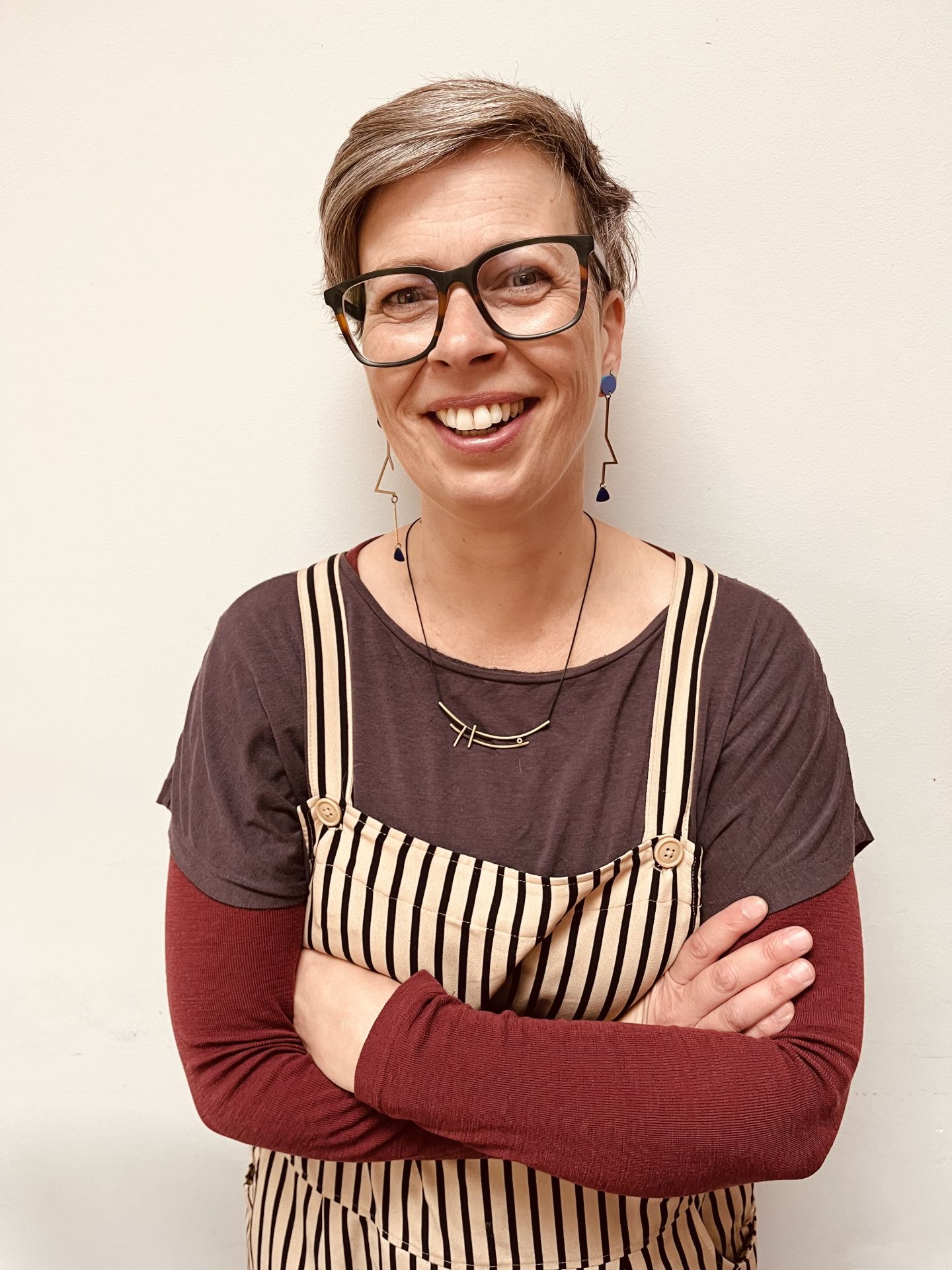
Illustration credits: Polly Allburn and Hope Martlew-Cousins
Anna Suschitzky is a freelance Storytelling Facilitator based in Wales. Her experience working within the third sector as an advocate, campaigner and project lead have been guided by a strong sense of social justice and a desire to amplify the voices of people who have often been ignored. Ten years ago, shortly after having children, Anna took the time to reflect, shift and reconnect to her passion for performance. This led her back to education, to study a Masters in Drama with a focus on research as practice and autobiographical storytelling.
Together, these experiences led to a passion for the transformative power of storytelling. Leading oral history projects and facilitating digital Story workshops within community, health and social care settings she has worked to harness stories and raise the voices of people who often go unheard. Her work with Mencap, Social Care Wales, and the George Ewart Evans Centre for Storytelling have cemented her commitment to the use of stories for wellbeing, connection and social change.
The Host and Project
Anna is working in collaboration with Cardiff Metropolitan University and Cardiff & Vale University Health Board. With advances in Cystic Fibrosis (CF) therapies extending life expectancy and improving quality of life, more people with CF are now considering family planning. This shift has highlighted a critical need for good conversations around reproductive health choices. Engaging with people living with CF to create their own digital stories, Anna aims to explore whether storytelling can provide a valuable method to support people living with CF and their families in making informed decisions about their sexual and reproductive health. These stories will be used to develop resources designed to support shared decision making between people living with CF and their CF care teams.
The Journey So Far
In the first part of the project, I focused on developing a broader understanding of the CF landscape, while building connections and relationships with clinicians, researchers, and third sector organisations supporting people with CF. Recruiting participants was challenging and slow but with support from stakeholders, I have been able to work with six storytellers living with CF.
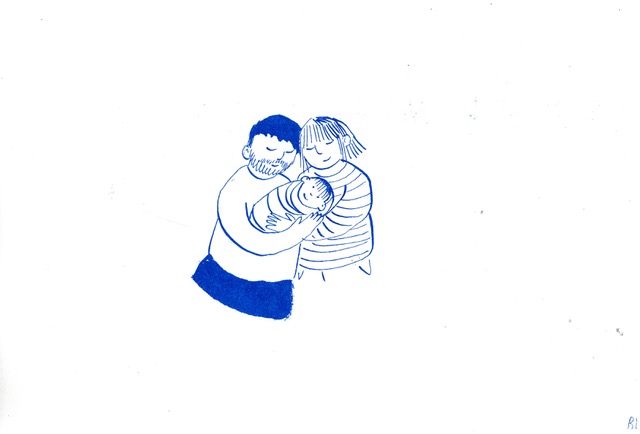 I guided these participants through a process of creating short, simple yet powerful films using recorded voice and still images. Through a series of online workshops, I supported them to identify, shape, and record their stories. The project also involved close collaboration with illustrators, which enhanced the visual storytelling elements. In addition, I developed three further stories by adapting traditional digital storytelling methodology into a hybrid approach to Story creation. Flexibility has been essential throughout, particularly in response to changes in participants’ health and life circumstances, with some joining workshops from hospital beds or while connected to dialysis machines.
In the next phase of the project, I will analyse the stories, identify common themes, and explore how they can be used to ensure that lived experience helps shape and improve services. An online story-sharing event will take place, bringing together key stakeholders, including the storytellers themselves. This will help identify the most effective ways to use these stories to support meaningful conversations and decision-making around reproductive choices.
I will also develop an online repository to preserve the stories and make them accessible to people living with CF and their care teams. My hope is that these stories will act as prompts for thoughtful, supportive conversations around reproductive health decisions.
View the completed films at cfstoriesinyourwords.com now.
Hopes and Plans for the Future
The project can certainly play a role in supporting the growing research around the potential functions of narrative research and storytelling for good: it reveals how storytelling can build connections and a sense of community, creating space for people to explore and make sense of their experiences. Many of the storytellers had never shared their stories beyond close family and had never met another parent living with CF.
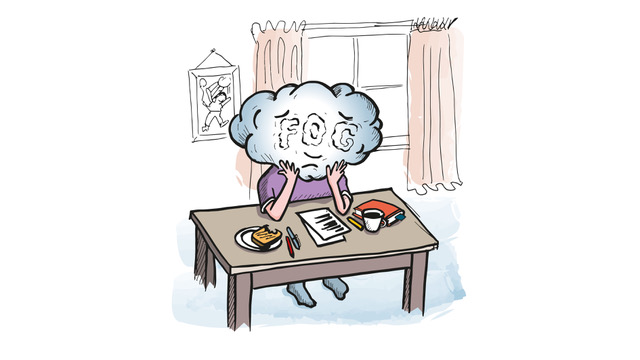
Storytelling also offers a powerful tool for learning. In this instance, the stories will help clinicians and health boards better understand the real-life impact on individuals, sharing the complexity of people’s lives rather than reducing them to a single condition. The stories centre the human and authentic dimension that is often considered secondary within healthcare.
This project has felt like a pilot, with significant potential to grow and expand its scope. The stories and learning from this project offer an opportunity to support the wider rare diseases community and beyond.
Working alongside illustrators has been a particularly exciting and new experience for me. As my practice has largely focused on audio and words, incorporating a strong visual element has opened up new creative possibilities, an area of digital storytelling I’m excited to explore further. 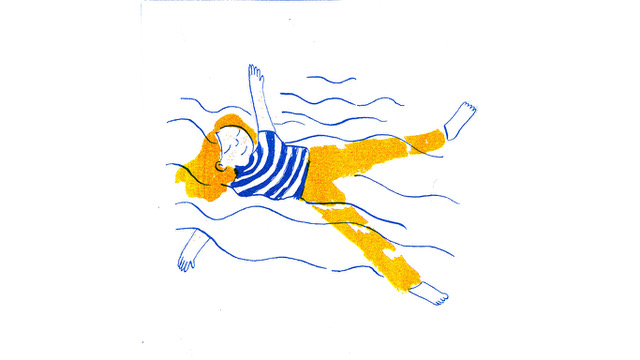
Story Skills In Action
My experiences working with diverse groups within community, health and social care settings have expanded my skills in creating safe spaces and building trust with individuals. Taking care to safeguard participant well-being, my facilitation skills encourage play, curiosity and deep listening. With a strong understanding of the ethical dimensions of storytelling, including consent, and ownership, I work to ensure that participants’ voices are centred throughout the process. Working across Wales and beyond, I have supported organisations to understand how stories might be utilised to understand impact and ensure that lived experience shape and improve services.
Meet more Story Fellows:
- Interested in how stories can be used to assist in healthcare? See how Story Fellow Anne Holloway has tackled this in her project with Boots UK.
- Meet another Story Fellow working with communities in Cardiff: Marsha O’Mahony.