Democratising Cultural Spaces through Co-Creative Storymaking
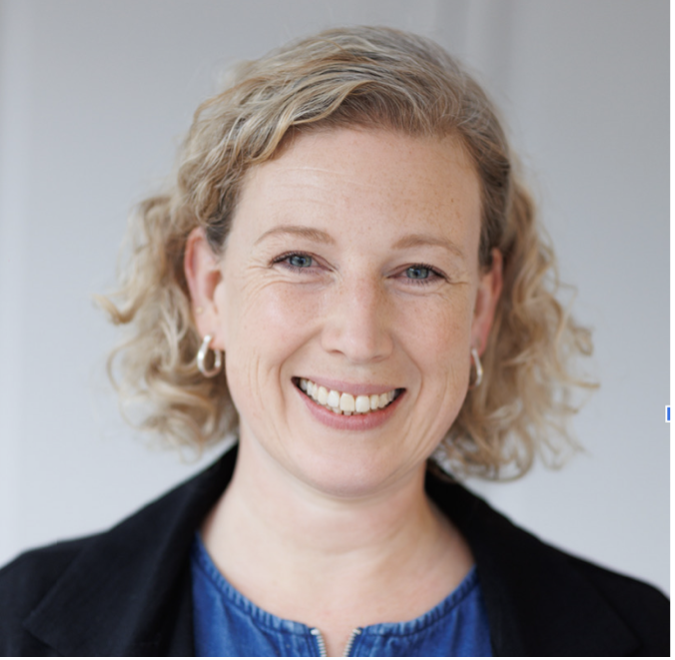
Anna Ball is a socially purposeful curator, researcher and co-creative practitioner based in Nottingham, whose work explores how multidisciplinary narrative co-creation can nurture spaces of care, understanding, responsibility and courage between institutions and communities, even when navigating difficult or sensitive cultural histories. Her work sits at the intersection of human rights and creative wellbeing, and is underpinned by deep commitments to trauma-informed, culturally sensitive, intersectional feminist working.
Over the years, Anna has explored these possibilities mainly within the space of migration arts, where she has partnered with organisations including The National Justice Museum, Right to Remain and Survivor Alliance on co-created documentaries, exhibitions and anthologies that address women’s experiences of sanctuary-seeking, immigration detention and modern-day slavery (‘Cecilia’s Story’, 2025; ‘Owning Our Words’, 2020; ‘And Still I Rise’, 2018). As Advanced Research Fellow at the University of Aberdeen on the ‘Survivor-Centred Visual Narratives’ project, meanwhile, she worked as part of an international research consortium that explored how collaborative graphic novel production can sensitively enable survivors of genocide to share their stories, in the service of preventing cycles of history from being repeated. In her past literary and filmic research prior to her transition into community-engaged arts and heritage work, she also explored structures of cross-cultural feminist solidarity within the postcolonial landscape, as they were articulated through multiform narratives.
Beyond these contexts, though, Anna is also deeply interested in the radically democratic potential for storymaking to act as a source of cultural opportunity and creative wellbeing for all. Through inclusive, care-led storymaking methodologies that draw on facilitated discussion of art and literature, oral history, sound recording, filmmaking and creative writing, Anna’s work enables the voices and visions of individuals and communities to articulate their unique and shared stories through acts as everyday as walking, gathering, holding, making, speaking and remembering – and to work with her to give these stories shape in museum and gallery spaces. This is a process that brings Anna immense joy – not just because of her love of co-curation, but because of her own understanding of the tremendous benefits that collaborative creativity offers for our own wellbeing, particularly when navigating difficult human experiences, such as loss, grief, and change.
The Host and Project
There is a compelling ‘origin story’ to Nottingham City Museums and Galleries, and it was here that I found the seed from which to grow my StoryArcs Fellowship project.
Established in 1878 at Nottingham Castle as a public ‘art palace’ that sought to inspire innovation among the city’s laceworkers and improve access to culture across the city, Nottingham City Museums and Galleries hold an astonishing array of items within their art, textiles and ceramics collections – from doll-sized stockings knitted by women on a convict ship bound for Australia, to collapsable opera hats; from porcelain vases that commemorate local riots in their decorative motifs, to contemporary portraits of male mental health. While the curatorial team displays a changing selection of objects across their city-wide venues, many of the items – a large number of them donated by local people – lie out of sight in the museum and gallery stores for safekeeping. As the Museums and Galleries Services head towards their 150th anniversary in 2028, they are interested to look again at what the objects in their stores mean to Nottingham, now and in the future.
Mindful of the huge questions that this project raises – of object provenance, social history, community access and representational agency, amongst others – I felt the task in hand for me as Story Fellow was to design a community engagement project that ignited storymaking as a space for openness, curiosity and equitable access to the Museum and Gallery stores. And given that this project was about re-encountering the ‘origin story’ to the Castle galleries, I felt that it was in the very earliest stages of narrative agency that this project needed to intervene: in the moment of encounter between object and curator in the Museum and Gallery stores, where so many thousands of objects await discovery and sense-making.
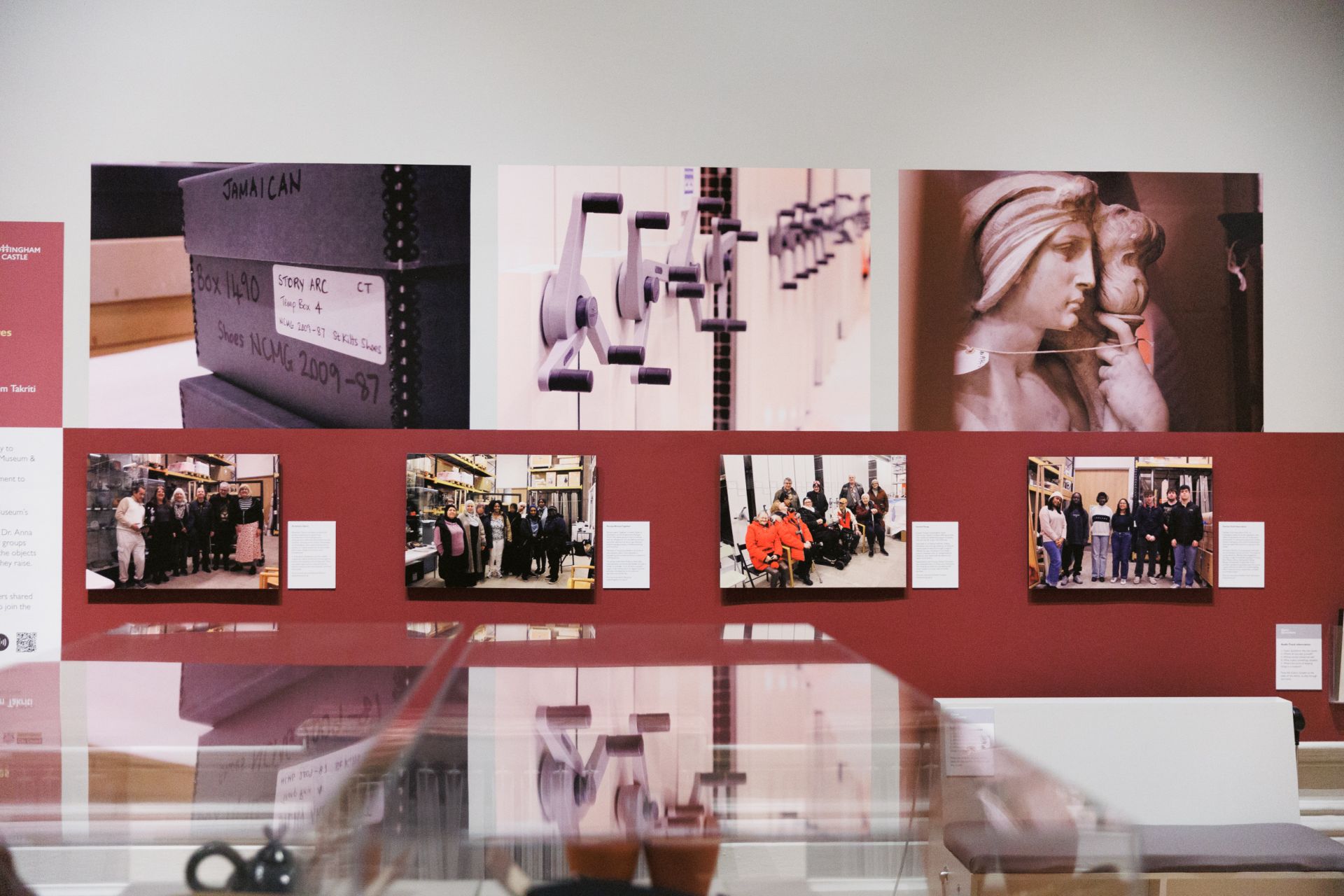
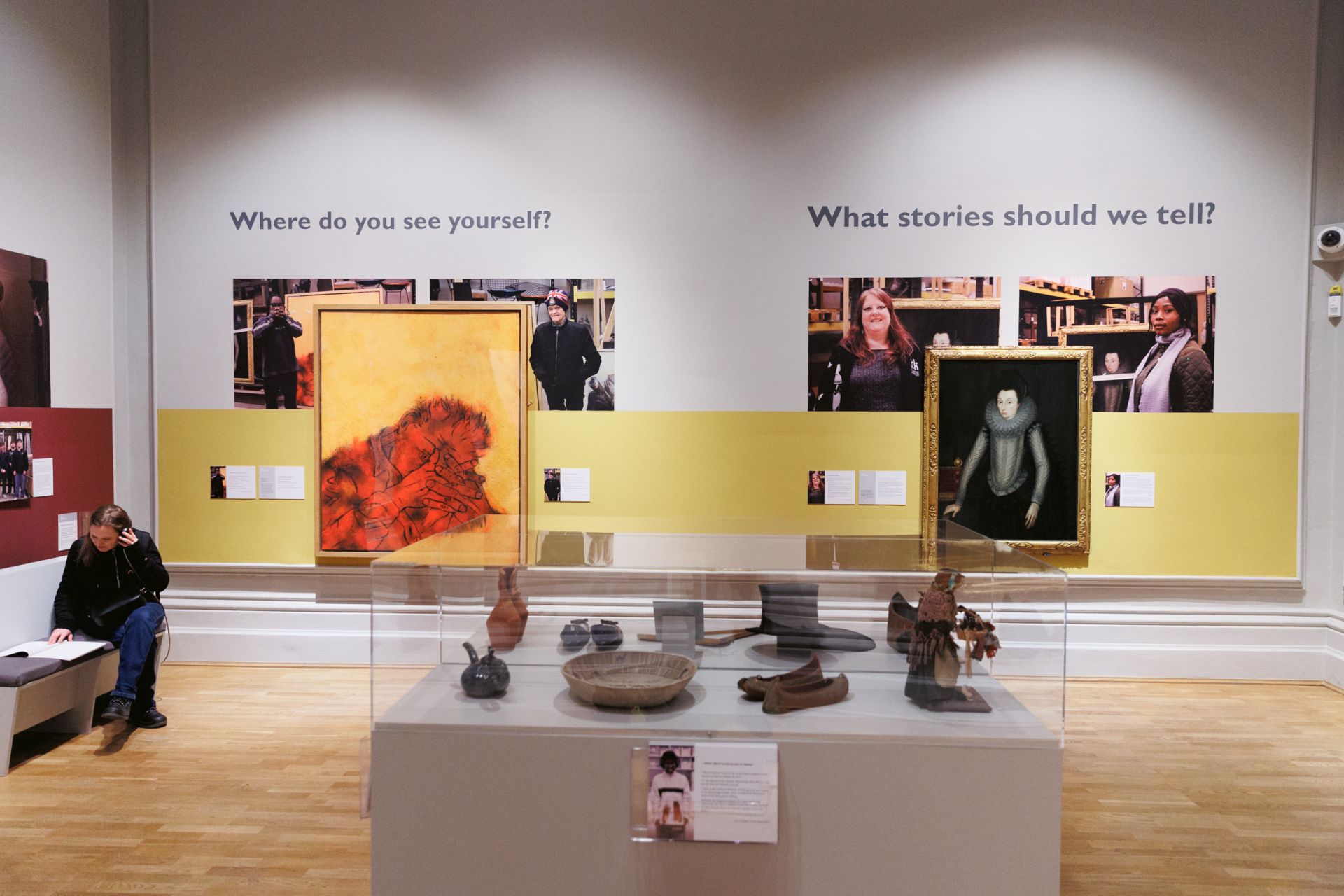
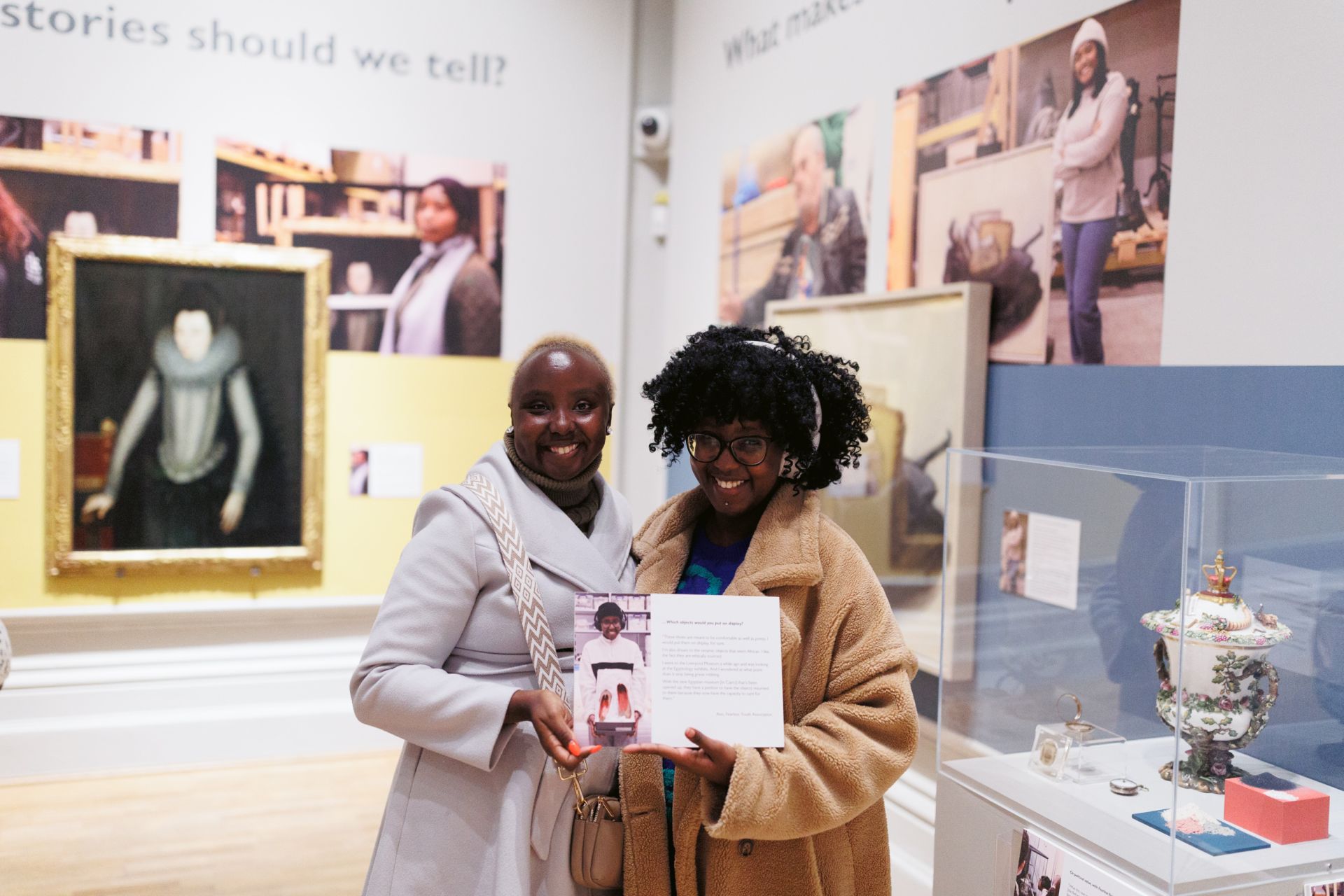
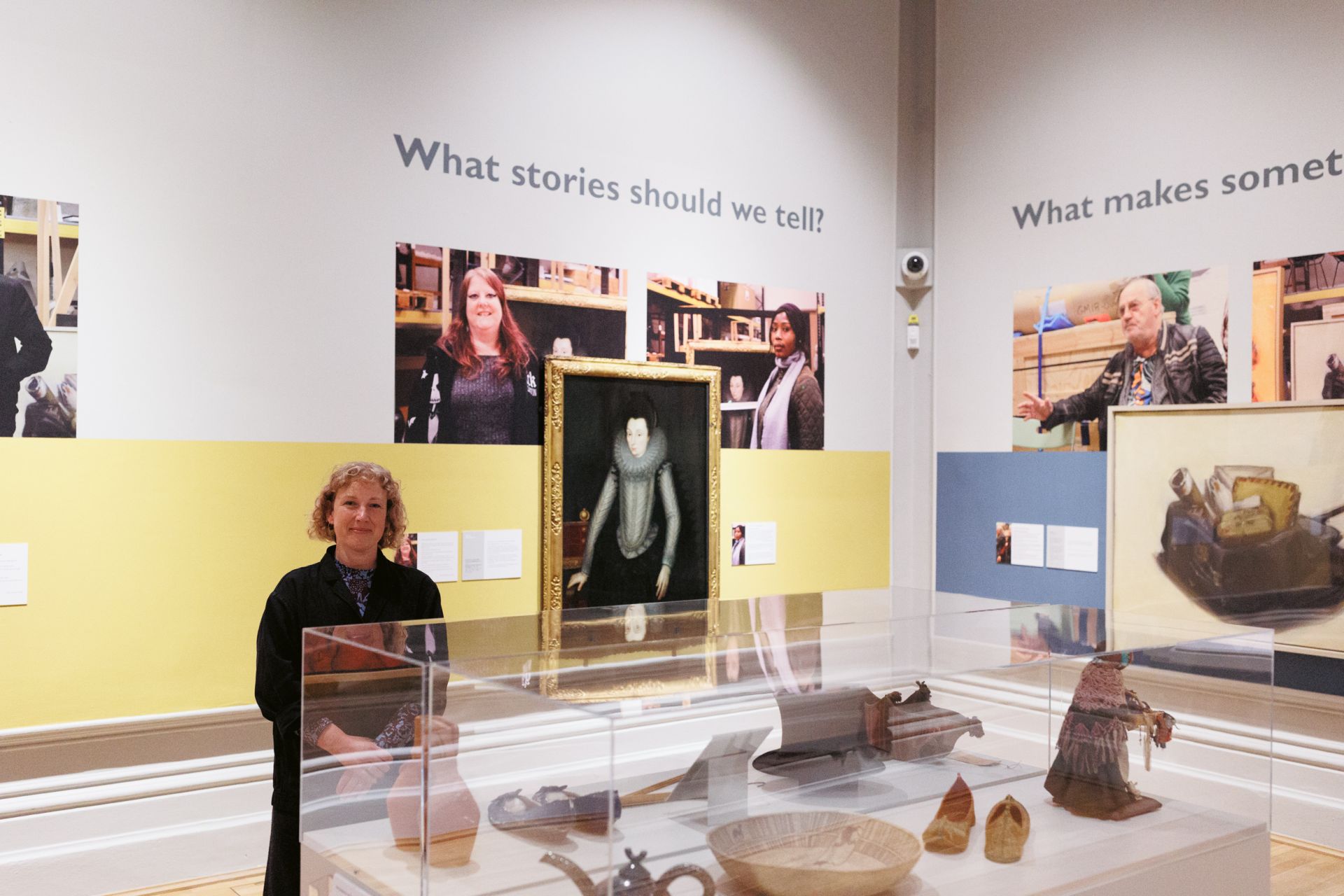
Founded in curiosity-driven conversation, the project that has emerged – ‘Open Questions’ – has welcomed people from a wide range of communities across Nottingham into the stores, so they can learn about, explore and reframe the stories of objects held there, and in turn shape the Castle’s own curatorial narrative. The project asks big questions: what makes something valuable? Should these things be in a museum? Where do you see yourself in the collections? What story does this object tell? But rather than seeking definitive answers, it offers a space for listening and dialogue between participants and curators that may open up even further questions about the city’s cultural heritage. Ultimately, the conversations will lead to an exhibition in the Lab at Nottingham Castle, featuring the objects selected by project participants alongside photos, audiotracks and interpretation co-created with the community groups who visited the stores.
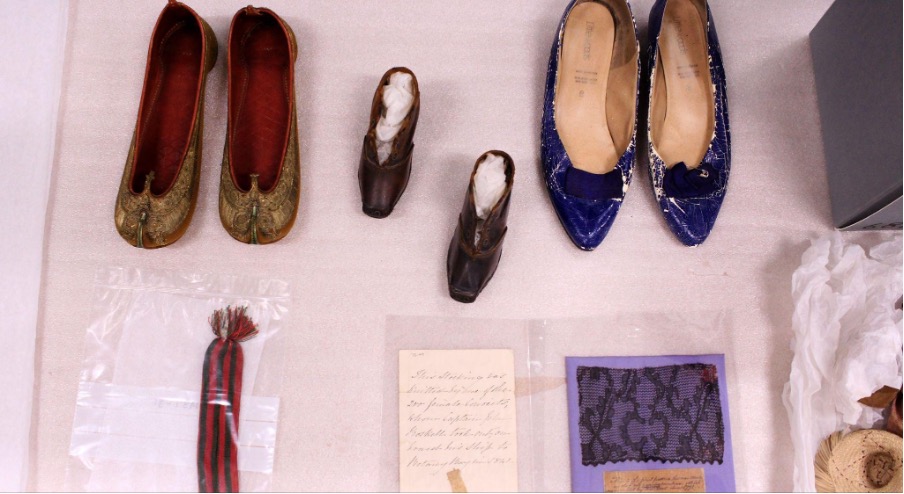
In the Nottingham City Galleries and Museums stores. From left to right: objects selected on the basis of community group interests for the StoryArcs project ‘Open Questions’; the art racks that can be wound open to reveal row upon row of paintings; a selection of items from the textiles collection, including lace found in a time capsule in Nottingham; shoes from India, Jamaica and the Netherlands; and a tiny stocking knitted by a woman deported on a convict ship to Australia. Photos: Reem Takriti.
The Journey So Far
The project opened with a question that the curators had been pondering: what do the city’s museum and gallery collections mean to the people of Nottingham today? As a co-creative practitioner interested in the democratisation of heritage and culture, I believe there is only one answer to this: to ask, and listen to, the voices of communities. But then, always, comes the practical question: how?
The answer came when I first entered the stores. It is conversations rather than objects that typically shape my work – but in the shelves piled high with boxes, the rails laden with shrouded gowns, I could already hear stories murmuring through the rustling of tissue paper. And as the curators guided me through the stores, I realised that in their subject-knowledge, they are guardians not only of the physical object but of its narrative: its provenance, its journey, its questions – the things that imbue it with meaning in the world. Rather than take the objects out to communities, then, it was clear we needed to create the opportunity for communities to come into the stores for themselves; to experience this curious space, brimming with stories, that would enable them to ask their own questions.
The opening stages of the project involved reaching out to a range of community groups to gauge interest, and we found real investment in the project in four wonderful partners: Streetwise Opera, a group that enables people who have experienced homelessness to learn performance skills; Pamoja, a support group for women who have sought sanctuary in Nottingham; Forever Young, a group offering friendship for the over 65s in Broxtowe; and Fearless Youth Association, an initiative that empowers young people not otherwise in employment or education through cultural upskilling. With the curators, I visited each group, learning about their interests and building a picture of what objects might speak to them – then designed bespoke workshops in which we hoped to balance a sense of care and connection with opportunities for wonder and discovery.
What emerged in the sessions was more powerful than we had expected. Our conversations have been, at one level, about hats and paintings, teapots and pocket watches; but they have also been about memory and what it means when dementia takes it from you; about mental health and social precarity; about what it means to leave objects behind when you have to find a new home. ‘We should all have a small museum of our own,’ one participant shared; ‘a museum of ourselves’. I have come to realise that no matter who we are, this is always, in some way, what a museum collection is, when we ask questions of it – and in the process, ask questions of ourselves.
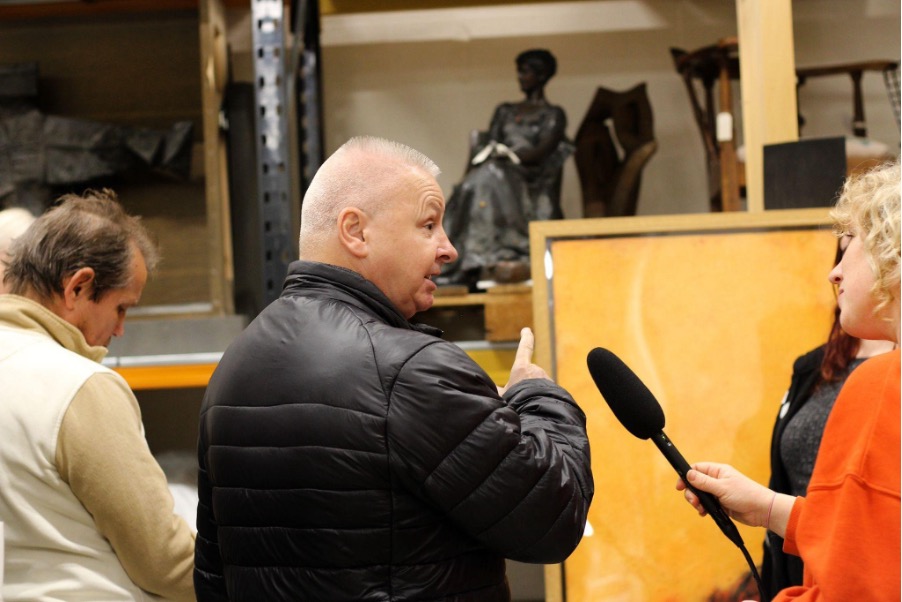
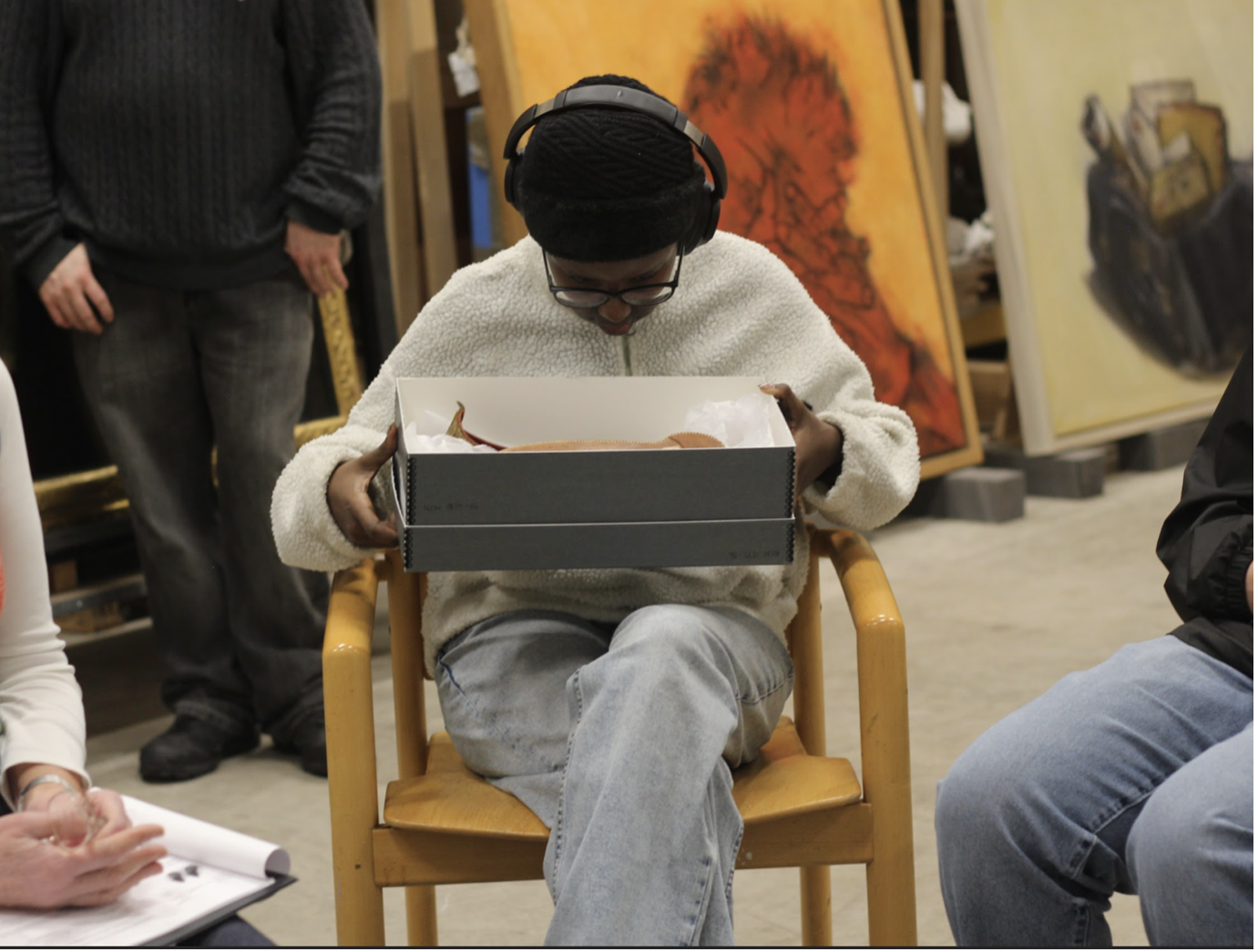
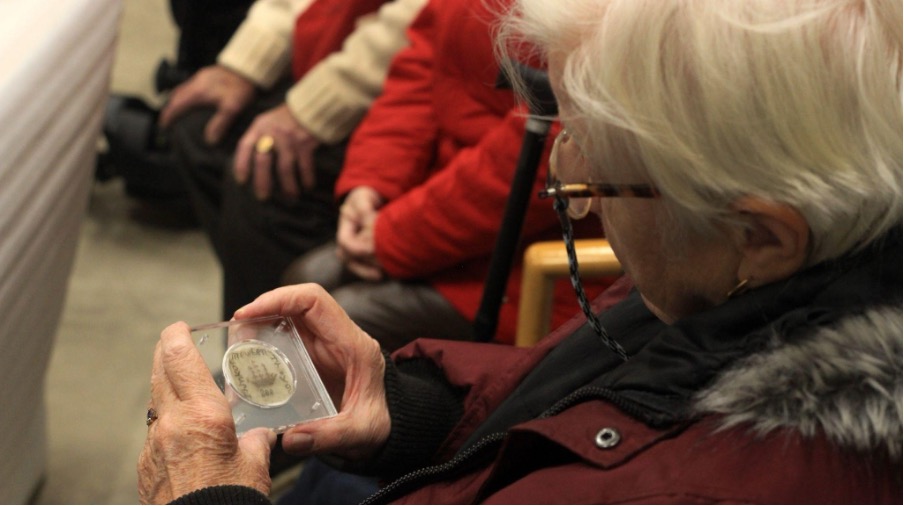
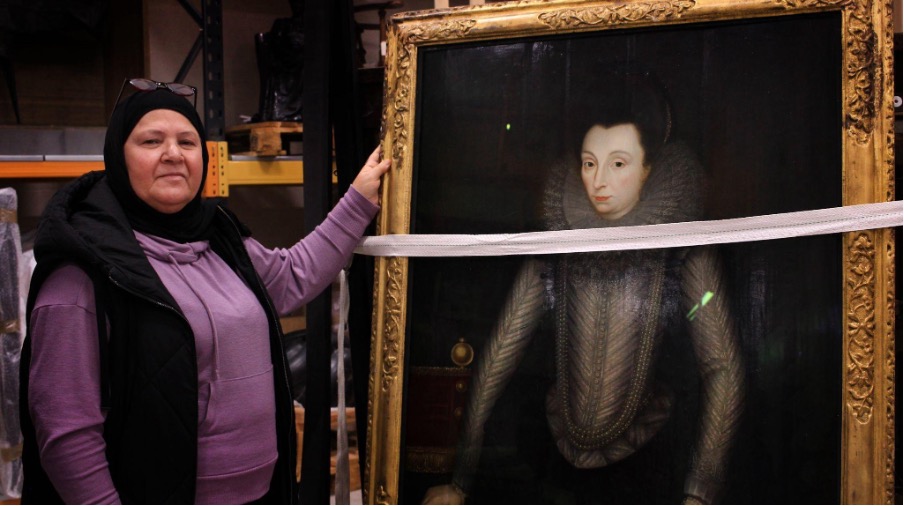
Scenes from the Open Questions community group workshops in the Museum and Gallery stores, where participants explored objects through conversation, questions and story-sharing with the curators, guided by Story Fellow Anna Ball. Photos: Reem Takriti. Participant consent for photo publication provided.
Hopes and Plans for the Future
The task ahead is to now turn the materials gathered during the workshops into an exhibition that conveys the richness of the discussions shared by community members. I am working with the groups to shape the photos, audio and object selection into a narrative that guides visitors through a sense of the curiosity and deep reflection that shaped our discussions, and the task of curating and representing voice. And when we launch the exhibition, we hope that project participants will share their views on what the project has meant to them. For Nottingham City Museums and Galleries, it’s hoped this will create pathways to further community co-creation in the future. For my own practice, meanwhile, it’s been deeply insightful to explore how material culture can hold the power to help us see the world with greater nuance, connection and depth, as well as provide a ‘touchstone’ for connecting wildly different personal experiences through sensory and communal sensemaking. I’m excited to see how this learning will guide me in the next chapter of my story, as I seek new places and spaces for my storymaking skills to ignite democratic learning, engagement and participation within the worlds of art, culture and heritage.
Story Skills In Action
My unusual career pathway through action-led migration arts research, literary education, community wellbeing and literary / visual creative practice is why I consider myself a storymaker rather than a storyteller. To me, stories emerge not just on the page but in conversation, making and movement. Over the years, I’ve been fortunate to collaborate with filmmakers and sound artists who have shared their skills with me, and I bring audiovisual as well as literary training to the narrative projects I co-create with communities. This means that my Story Skills are multidisciplinary and multiform, but they are always founded in the principles of care, courage and curiosity: what I have come to understand as the cornerstones of socially purposeful storymaking as a dynamic mobilisation process.
Within StoryArcs, I’ve been encouraged to embrace this openness in how we understand Story and its potentials: not as a narrative that brings us to a point of conclusion, but as a framework that can enable us to hold the openness of many intersecting discourses, power dynamics and possibilities, while making this unique moment of perception tangible and legible. I’ve come to think, through StoryArcs, of the moment of storymaking as akin to holding a glass object up to the light: not simply to see it clearly, but to perceive how light, air, people and spaces around it are reflected and refracted through it. On this project, I’ve come to see that heritage engagement is only partly about looking to the past; it’s also, more substantially, about finding a better way into the future. How we do that with care, courage and shared curiosity is a question that story can help us to ask – and maybe, on the way, even start to answer.
What Does StoryArcs Mean to Me?
StoryArcs has offered me an amazing opportunity to translate my story-skills into a live heritage context, and I’ve gained invaluable curatorial experience through it. Beyond this, though, it’s also affirmed my belief in story not simply as a thing of fiction, but as a tool with which to navigate the world, and to access fundamental truths within it. We all have a story; stories are both the most unique and most connective things there are. They’re what make us human.
-
Meet More Story Fellows: