

Where storytelling meets social impact: mapping collaboration and influence.
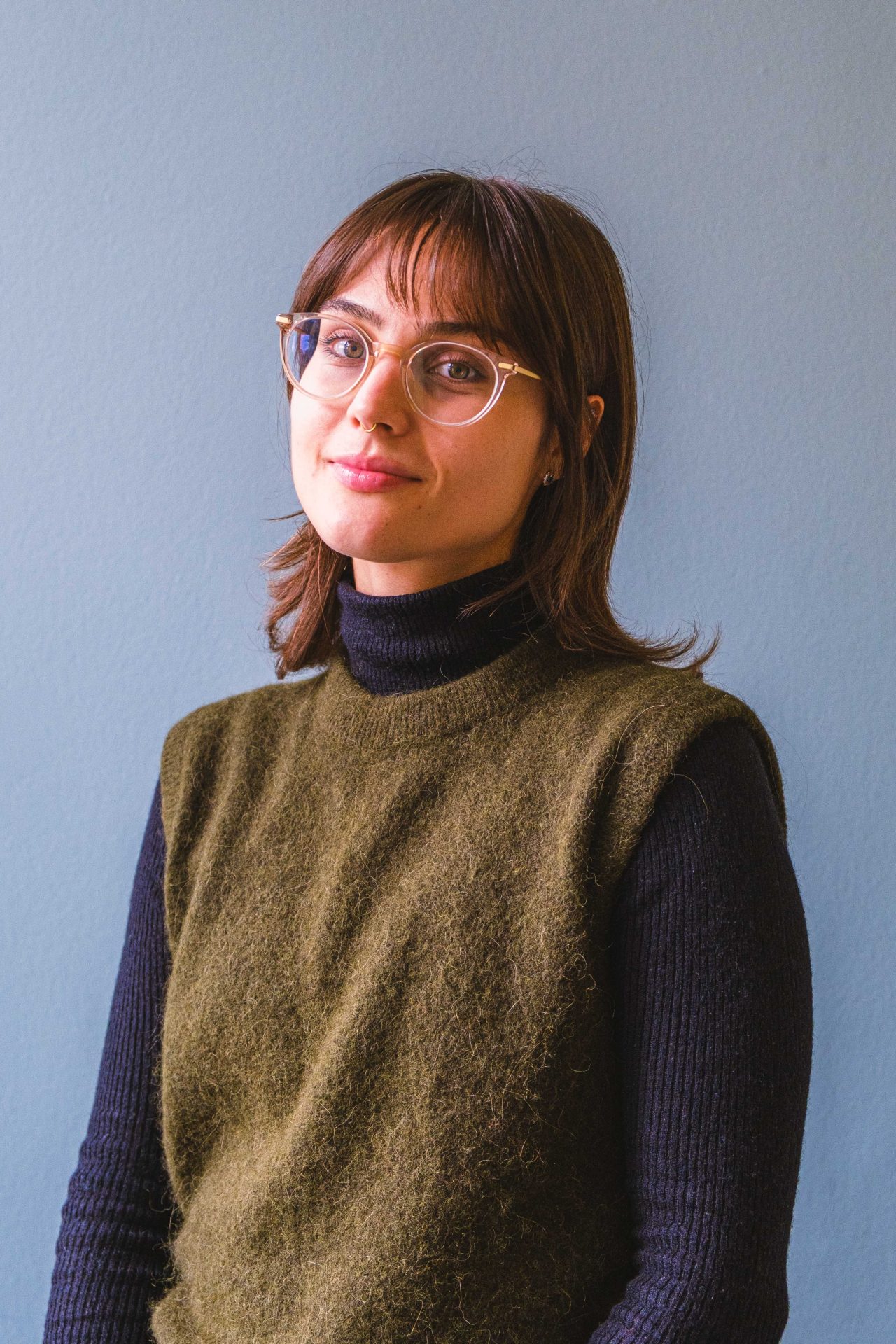
Maruša Levstek is a creative researcher who bridges psychology, storytelling, and social change. With a PhD in psychology of creative engagement and five years at StoryFutures (Royal Holloway, University of London), they specialise in applying psychology and behaviour change science to co-create and evaluate creative experiences that drive real-world impact. Maruša has contributed to major projects including The Green Planet AR Experience (Factory42 & BBC) and The Keeper of Paintings AR App (The National Gallery). Their work is rooted in interdisciplinarity, collaboration, and social impact.
The Host and Project
I have been working with the AKO Storytelling Institute at University of the Arts London (UAL) to investigate a challenge of a siloed impact storytelling ecosystem – an issue that, ironically, everyone across the ecosystem unanimously recognises. Even though there is a general understanding that collaborations across the arts and the social impact sectors can broaden or strengthen impact, such projects are rare. As a transdisciplinary, bilingual, and international researcher, I enjoy intentionally crossing boundaries and disturbing established ways of working, especially by bringing creatives into research and working with the industry as an academic. This is why this project was a particularly exciting topic to investigate for me.
The brief was to investigate where collaborations between storytellers and the social impact sector happen, and I was especially interested to better understand what makes a collaboration productive and successful and to translate this knowledge into a practical toolkit to support future projects. “Less talking, more doing” was the motto driving this project.
To narrow down such a broad topic, we focused the research on collaborations between storytellers working across moving image, performing arts, interactive, or writing, and social impact organisations, such as communications and media organisations, organising, advocacy and campaigning groups, as well as policy and research organisations.
The Journey So Far
Initially, I wanted to work closely with a small selection of current cross-sector collaboration projects between storytellers and the social impact sector. However, as a way of identifying those case studies, I spoke to a range organisations facilitating such cross-sector collaborations or identifying as both creative and social impact organisations (e.g. OKRE, Counterpoint Arts, Power of Pop). I quickly realised that those conversations contained a breadth of knowledge and bigger picture understanding of the process of cross-sector collaboration, which I regretted not capturing. This led me to reconsider how I approached this research project and lead me to tap into the vastness of knowledge those organisations had accumulated over the years of working across multiple collaboration projects (successful and unsuccessful).
I decided to interview organisations that sit somewhere in between the two worlds, either as facilitators of collaborations (which I named ‘bridge-builders’) or as organisations sitting across both sectors at once (which I named ‘bridge inhabitants’). Those interviews became bigger-picture conversations about what actually constitutes a “true” cross-sector collaboration (e.g. is consultation a true collaboration?) and what are the principles and practices that act as essential pillars of those bridges. This shift in focus enabled me to expand the scope of the research and provided a range of insights that can inspire and support future cross-sector collaborations.
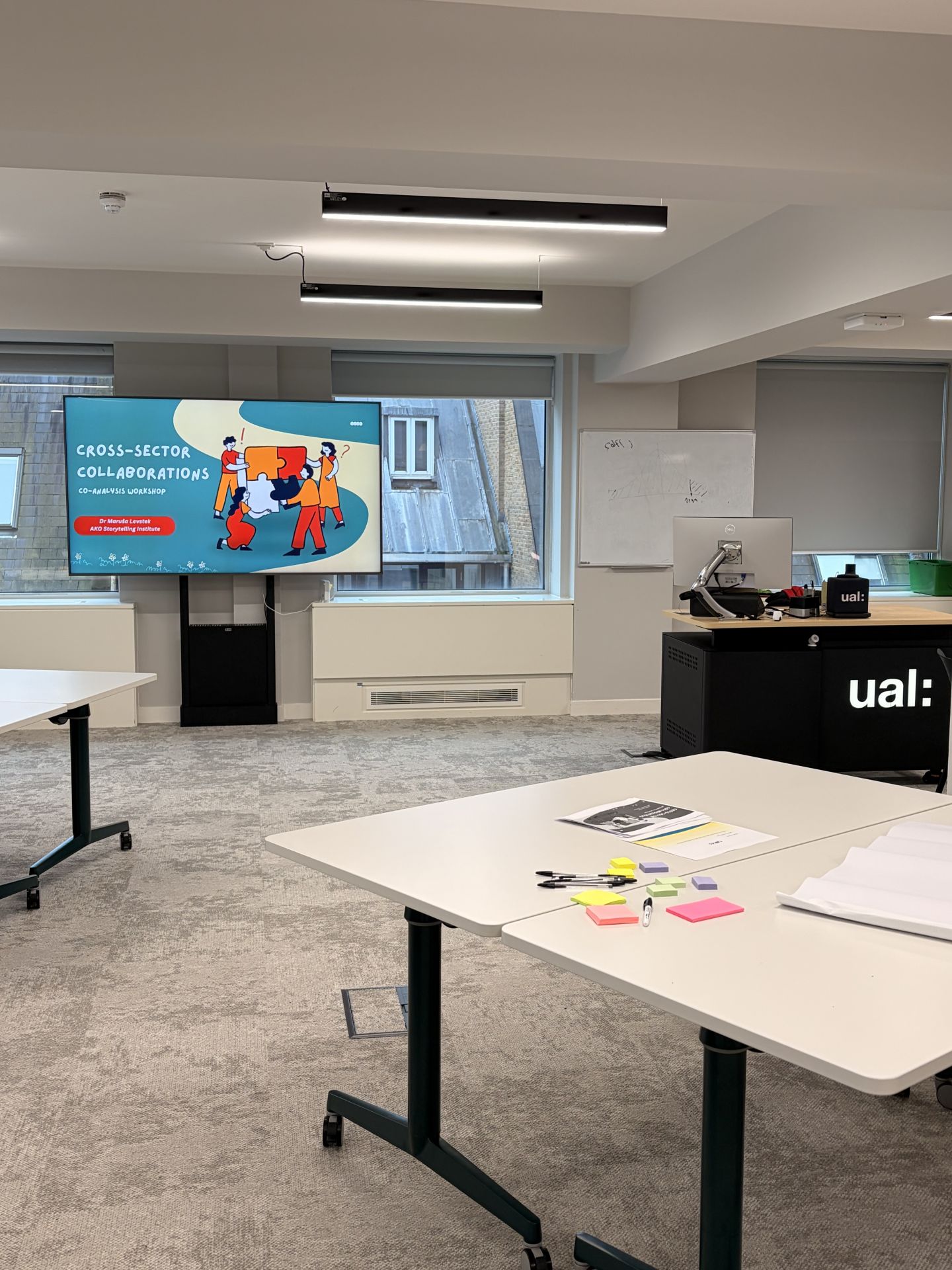
In numbers, throughout this project I reached out to 74 relevant individuals and organisations, 45 of which accepted my invitation to chat. 13 of those organisations I identified as bridge-builders (8) or bridge inhabitants (5) and officially interviewed them for this research project. I also hosted two co-analysis workshops for all interviewees as a way of including them in interpreting the research results, as a way of practising collaboration in my own research. Additionally, StoryArcs supported my visit to Venice for the Venice Biennale Immersive festival where I experienced some new collaborative projects.
To translate research insights into practice, I developed a set of conversation cards rooted in collaboration principles and practices to support future collaboration projects. These will be soon published alongside the report.
Hopes and Plans for the Future
I have been exploring ways of sharing the breadth of knowledge and perspectives I have encountered throughout this fellowship. Last year was full of fascinating conversations and new connections with inspiring organisations and individuals, and I appreciated to have the time and AKO Storytelling Institute’s guidance to think more deeply about the importance and impact of storytelling. I am currently developing a podcast to bring some of those thoughts together in an accessible and more personal way.
Story Skills In Action
My key story skills lie in enabling, connecting, and translating narratives. I aim to create spaces for people to share their stories — whether by asking the right questions, listening attentively, or designing physical experiences to ensure diverse voices are represented and heard. As a researcher, I always look for bigger-picture connections between those stories to identify patterns and overarching insights, using research and curiosity to highlight the collective power of individual experiences. As a bilingual storyteller working across academia, creative, and technology sectors, I especially enjoy translating stories for the right audiences, advocating for voices to reach those with the influence to drive real-world change.
Meet more Story Fellows:
- Interested in the use of technology in storytelling? See how Story Fellow Kate Stonehill is using these skills in her project with Sonic Screen Lab.
- Read about Sula Douglas-Folkes‘ London based project investigating Tomorrow’s Warriors’ archive.


