Telling Nottingham’s history through docupoetry
Panya’s poetic journey began in the early 1990s with writing as a way to process personal experiences; over time poetry became a method of questioning what she had learned, particularly around race, memory, and silence. Much of her work now sits at the intersection of the personal and the historical, often exploring absence: what is omitted, erased, or rewritten, and how that absence shapes the self.
In 2023, Panya was awarded an Arts Council England Developing Your Creative Practice grant, which marked a turning point in her work as a published poet. It enabled her to begin moving her poetic practice into digital forms and to build confidence in producing digital poetry. In 2025, she was awarded a scholarship to attend an eight-day residency at the University of the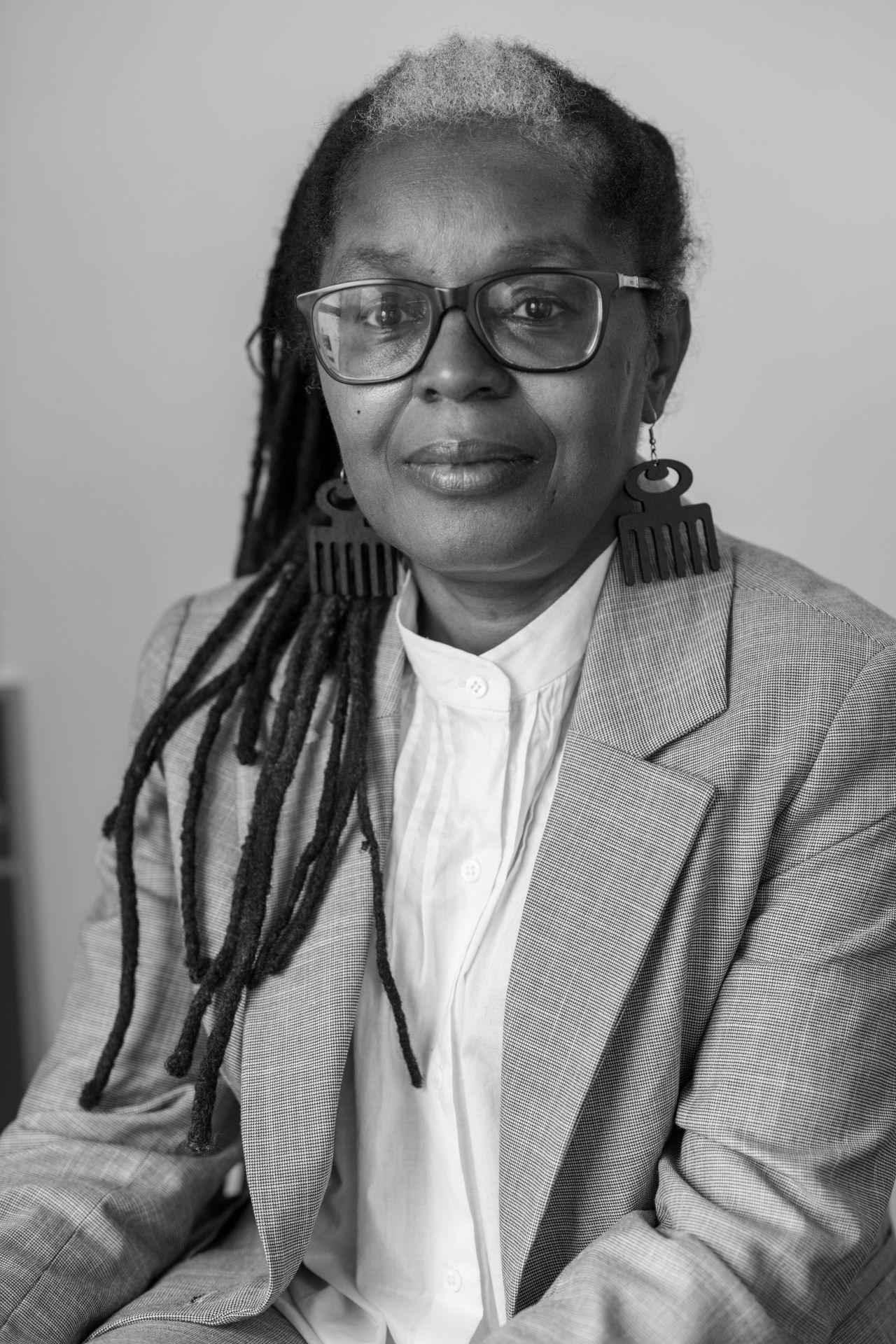 West Indies, Mona Campus in Kingston, Jamaica, where she spent time exploring digital archives. This experience further deepened her thinking about working creatively using digital poetics as a tool to animate archives.
“Towards the end of 2024, I applied for the StoryArcs fellowship, which gave me the space to experiment with new approaches to storytelling. Through this, I began to develop a distinct strand of practice in Docupoetry, grounded in real events, archival material, and lived experience. This is a form I am committed to developing further. I am drawn to its capacity to interrogate systems while honouring individual voices, particularly those that have been silenced or distorted by dominant narratives. My aim is to build a body of work that challenges erasure, reanimates archival material, and opens up new ways of seeing. I also want to be a leader in engaging with documents, interviews, and public records not as static records, but as living, creative possibilities.”
The Host and Project
December 2025 marked a major milestone: the 10th anniversary of Nottingham UNESCO City of Literature (NUCoL), celebrated with a gala at the Metronome in Nottingham. As a founding patron for NUCoL, being invited to respond to its archive and its literary achievement through poetry and film gave me the opportunity to reflect on my relationship with the organisation and to start testing creative work with archives by using digital storytelling and poetry.
I created two short digital poems, each reflecting a different dimension of NUCoL’s mission and impact. The first, 10 Ways to Read a Book, takes a playful approach to literacy, inviting audiences to rethink what reading can look like and opening up conversations about why it matters. The second, How We Build a Better World with Words, carries a more urgent tone. It celebrates Nottingham’s rich literary heritage while confronting a stark reality: a city full of writers still grapples with low literacy levels. The film becomes both a celebration and a call to action, urging people to read, share, and champion literacy in their communities.
Working with NUCoL gave me the opportunity to engage directly with Nottingham’s literary ecosystem with a key highlight being leading on a storytelling session as part of the Castle Story Builders event, run by the National Literacy Trust, where I shared stories with children and parents. It was a reminder that storytelling isn’t just something we study or archive, it’s something we live, share, and pass on.
The Journey So Far
After completion of my placement with NUCoL I am excited to be embarking on the second phase of my StoryArcs Fellowship, and to continue the journey through a Story Fellow Impact Acceleration extension, which enables me to deepen and expand my creative practice further. This extension allows me to more clearly foreground the leadership skills and archival experience I bring as the founder and long-standing lead of Nottingham Black Archive (NBA), now over fifteen years in development.
NBA is a vital cultural resource, sustaining Black history, heritage, and community memory in Nottingham across generations, and reflects my active role and dedication in shaping the field of poetry and archives having researched the archive as part of my practice-led doctoral research, ‘The Politics of Poetry in Nottingham: Nottingham Black Archive and African-Caribbean Writers and Networks (1950s-1980s)’ which included the making of a new collection of poetry based on the archive with some of the poems now on permanent display at Newstead Abbey.
In this second phase, I am excited to continue the journey as the founder and keeper of NBA and further strengthen my position as a leader in Black archival practice, producing work at the intersection of cultural memory, poetry, and community-led knowledge production.
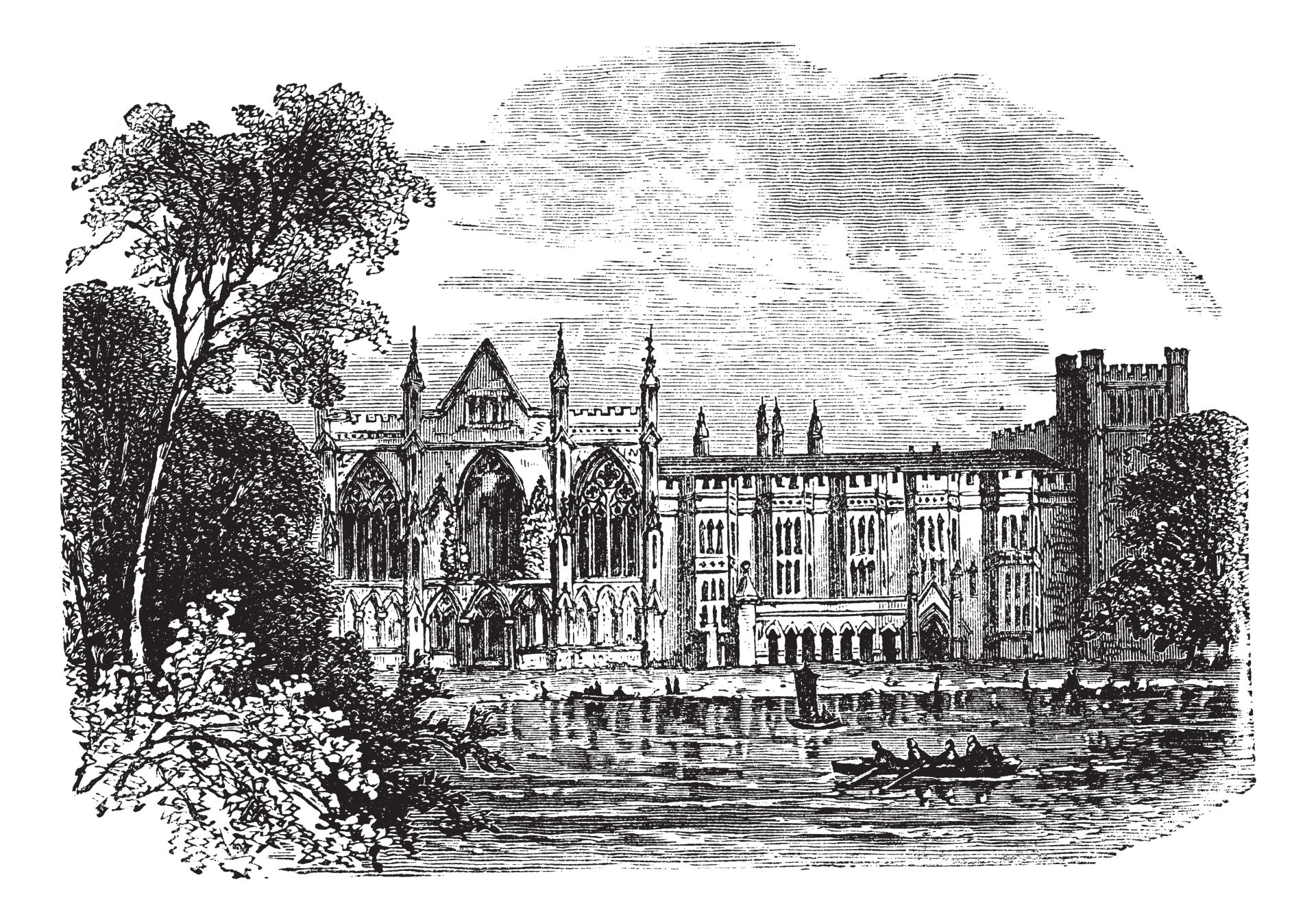
Newstead Abbey in Nottinghamshire, England, UK, vintage engraved
Read Panya’s poetic contributions to the Black Newstead project
Hopes and Plans for the Future
The StoryArcs fellowship is proving to be a deeply rewarding and transformative experience, one thatis shaping both my current creative practice and the direction of my long-term artistic ambition to intervene digitally in archives. The programme has opened doors I had long hoped to step through. These encounters serve as catalysts for artistic growth, offering new perspectives on craft, community, and the possibilities of poetry in a digital age.
The fellowship has encouraged me to consider the role of docupoetry in contemporary storytelling and how I might contribute to that evolving space. StoryArcs not only supports my development, but it also invites me to imagine the creative life I want to build and gives me the tools, and the confidence, to pursue it as I rework, remix, and recontextualise artefacts through poetry and film, expanding reach and enabling new forms of storytelling. The hope is that as I blend personal testimony with historical reflection, I am able to position myself as both witness and archive as my work moves between poetry, film and the preservation of Black cultural history; the docupoems will then become a form of documentation, resistance, and recovery.
Story Skills In Action
My Story Skills lie in my ability to organise, translate, and animate lived experience through poetic form. I am a deeply relational and historically grounded storyteller, understanding that stories are not simply collected, but held, returned, and cared for within communities. Working as a docupoet permits me to move beyond the constraints of the page, and allows me to ethically engage with archival material, transforming it into living, creative work. For example, photographs of Caribbean migrants in the 1950s held at NBA has sparked the digital poem They Did Not Break Us, now submitted to the Commonwealth Threads project for consideration in an international exhibition. StoryArcs has given me the space to experiment, reflect, and refine my voice while developing a form that bridges archive, memory, and poetic expression.
Working with NBA will provide scope for experimenting further with the interplay between text, moving visuals, artefacts, and lived experience, allowing me to blend my existing poetic strengths, amassed over thirty years, to create immersive docupoems with NBA’s artefacts as the key resource. This will significantly strengthen NBA’s access, impact and remove geographical barriers which, for community archives like NBA, is particularly important, especially in terms of allowing diasporic audiences, researchers, and younger generations to connect with histories they might otherwise never encounter.
Creating docupoetry will provide me with a way of reanimating NBA’s materials and extending their life through creative interpretation. Visibility, representation and challenging dominant historical narratives by bringing marginalised stories into wider public view will not only be a vital dynamic of my intention but also a powerful act of asserting presence, authorship, and ownership of cultural memory as digitisation will open new creative and interpretive possibilities.
What Does StoryArcs Mean to Me?:
Meet more Story Fellows:
- Read about Sula Douglas-Folkes use of archive in her project with Tomorrow’s Warriors.
- Meet Anne Holloway, another Nottingham based Story Fellow working with Boots UK.